Blog

  • 3 Key Factors That Determine How Much a TV Ad Does Cost

    When you plan a TV ad, three key factors determine its cost. First, longer ads and higher production quality ramp up expenses since they need more airtime and professional work.

    Second, the timing and placement matter—prime-time slots or big events cost more than off-hours or local channels.

    Third, the size and reach of your target audience influence prices, with broader audiences demanding higher fees.

    Keep exploring to uncover how these elements affect your budget and impact. It’s worth knowing so you can get the best value for your ad spend!

  • How Much Does a 55-Inch TV Weigh: 5 Facts

    A 55-inch TV typically weighs between 25 and 40 pounds, with most models around 30 pounds. OLED TVs tend to be lighter due to thinner panels, while LED, QLED, and older plasma models weigh more because of their components.

    Knowing the weight helps you choose the right mount or stand and move your TV safely with a helper. Plus, certain features like sound systems and stands can add weight.

    You’ll find even more helpful tips ahead.

  • How Many Watts Power a TV

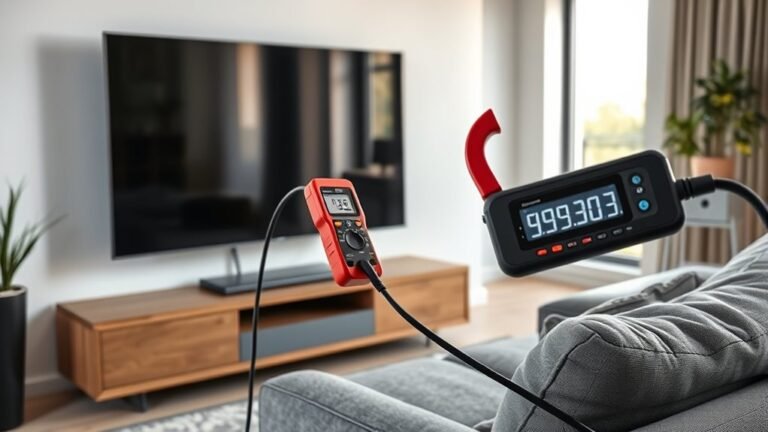
    Most TVs use between 30 and 150 watts, depending on their size and technology. Smaller 32-inch models often consume 30-55 watts, while larger 65-inch or above can use over 100 watts.

    LED and OLED TVs tend to be more energy-efficient than older or brighter types like plasma or QLED. You can check your TV’s wattage on its label, manual, or with a power meter.

    Keep exploring to find smart ways to save energy and cut costs. It’s easier than you think!

  • How Many Amps Does a TV Take

    Your TV usually takes between 0.5 to 2 amps, depending on its size and technology. Smaller LED models pull closer to 0.5 amps, while larger screens, especially plasma or older CRTs, can draw up to 2 amps or more.

    Brightness settings and smart features also affect power use. To figure out exact amperage, divide your TV’s wattage by your home voltage.

    Keep these basics in mind, and you’ll understand how to manage your TV’s power needs better. It’s pretty simple once you get the hang of it!

  • How to Maximize How Long a Bravia TV Can Last

    To maximize your Bravia TV’s lifespan, place it away from direct sunlight and heat sources on a stable, ventilated surface. Adjust brightness to match room lighting and enable screen savers to avoid burn-in.

    Use power-saving modes, disable quick start, and lower brightness to reduce energy use. Cleaning gently with a microfiber cloth and distilled water is best—avoid harsh chemicals.

    Keep your software updated and troubleshoot promptly. Stick with these tips, and you’ll find even more ways to keep your TV performing at its best.

  • How High Should You Mount a TV in the Bedroom?

    You should mount your bedroom TV so its center aligns with your eye level when you’re sitting or lying comfortably. This helps avoid neck strain and makes watching more enjoyable.

    Position it perpendicular to your viewing angle. Also, take into account your bed’s placement and screen size to find the best height.

    Make sure to secure the mount on wall studs and manage cables neatly. This keeps things safe and looking tidy.

    If you want to create the most comfortable and stylish setup, there’s more to consider beyond just height. It’s all about what works best for you!

  • How Can I Pitch a TV Show in 5 Easy Steps

    You can pitch a TV show in five easy steps by first crafting a clear, engaging concept with a catchy logline and compelling synopsis.

    Next, prepare a polished presentation with visuals that highlight your show’s unique appeal. Then, practice delivering your pitch confidently and naturally, keeping it concise.

    Finally, follow up professionally and embrace feedback to improve. If you want to nail each step and stand out, there’s more to explore that will sharpen your approach.

  • How to Solve the “Did a TV Marathon” Crossword Clue

    To solve the “did a TV marathon” crossword clue, start by considering common answers like BINGED or WATCHED. These fit well with the idea of watching multiple episodes.

    Check how many letters the answer requires and use crossing words to confirm your choice. It really helps to double-check with the intersecting clues.

    Also, watch out for any wordplay or anagrams since clues sometimes include these tricks. Matching the clue’s tense and tone will help you narrow down your options.

    Keep these tips in mind, and you’ll find it easier to crack similar puzzles accurately. It’s all about looking carefully and thinking a bit like the clue writer!

  • 10 Reasons You Should Use Digital Signage Instead of a TV

    You should choose digital signage over a TV because it lets you update content instantly and remotely, saving you time and effort. You’ll enjoy flexible layouts, interactive features, and real-time adjustments that keep customers engaged and messages relevant.

    It cuts costs by eliminating manual updates and supports multi-location management with unified marketing and scalable solutions. Digital signage future-proofs your business while boosting customer interaction.

    Keep exploring to discover how it transforms your marketing strategy and customer experience. It’s a smart move that makes staying connected with your audience easier than ever.

  • How You Can Put a TV Above a Fireplace Safely

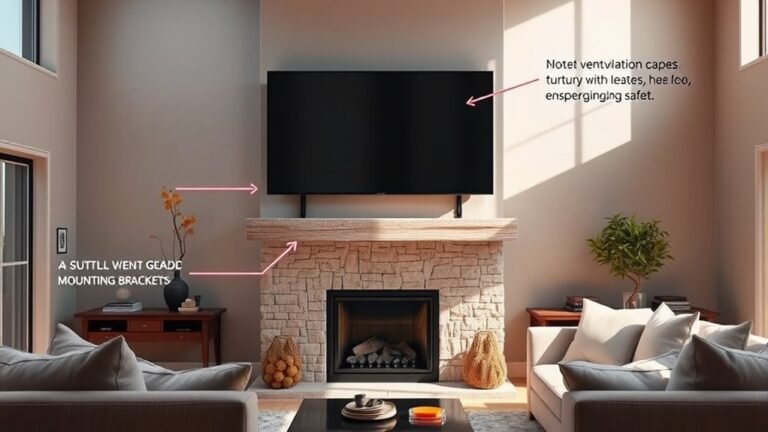
    You can safely put a TV above your fireplace by first checking that the wall stays below 90°F when the fireplace runs. Use heat-resistant, heavy-duty brackets suited for brick or masonry, and make sure cables stay clear of heat and are well organized.

    Mount the TV at a comfortable eye level with tilt options to reduce glare. Finally, test the setup for stability and viewing comfort.

    Keep following for more tips on making your setup both safe and enjoyable.