How Did Television Coverage Impact the Vietnam War?
You experienced the Vietnam War differently because television brought raw, unfiltered combat footage directly into your home. Seeing wounded soldiers and bombed villages made the war’s harsh realities impossible to ignore. This direct exposure shifted your view from support to doubt and fueled the growing anti-war movement as trust in official reports faded.
Political leaders reacted by limiting press access and adjusting their messaging. They wanted to control the narrative as much as possible. But the impact of TV coverage went beyond just changing public opinion.
There’s much more to uncover about how television shaped both public opinion and policy during the conflict. It wasn’t just about what you saw on the screen, but how those images influenced the course of the war itself.
Key Takeaways
- Television brought real-time, graphic war footage into American homes, making the Vietnam War a constant, visible presence. It was like the war was happening right there in your living room.
- Raw images of combat and civilian suffering shifted public perception from sanitized reports to harsh war realities. People couldn’t just ignore what they were seeing anymore.
- Exposure to televised coverage increased public skepticism toward official government statements about the war. Folks started questioning what they were being told.
- Graphic TV footage fueled the anti-war movement by generating empathy and motivating protests against the conflict. It really got people involved and speaking out.
- Political leaders responded by restricting press access and adjusting policies due to growing public distrust influenced by TV coverage. They realized the power TV had in shaping public opinion.
How TV Coverage First Entered American Homes
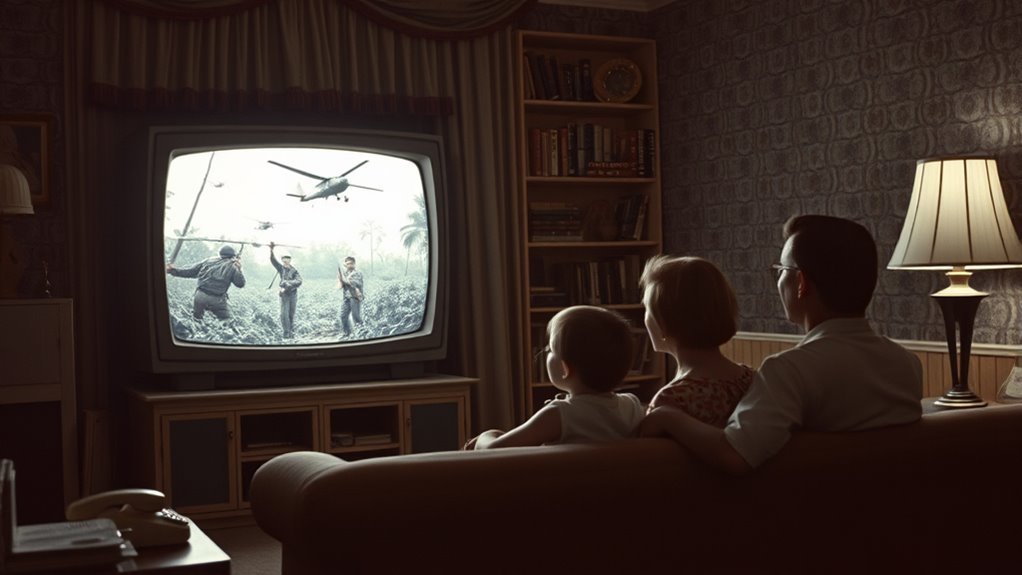
How did television coverage of the Vietnam War first make its way into American homes? You can thank advances in technology and a growing public interest for that.
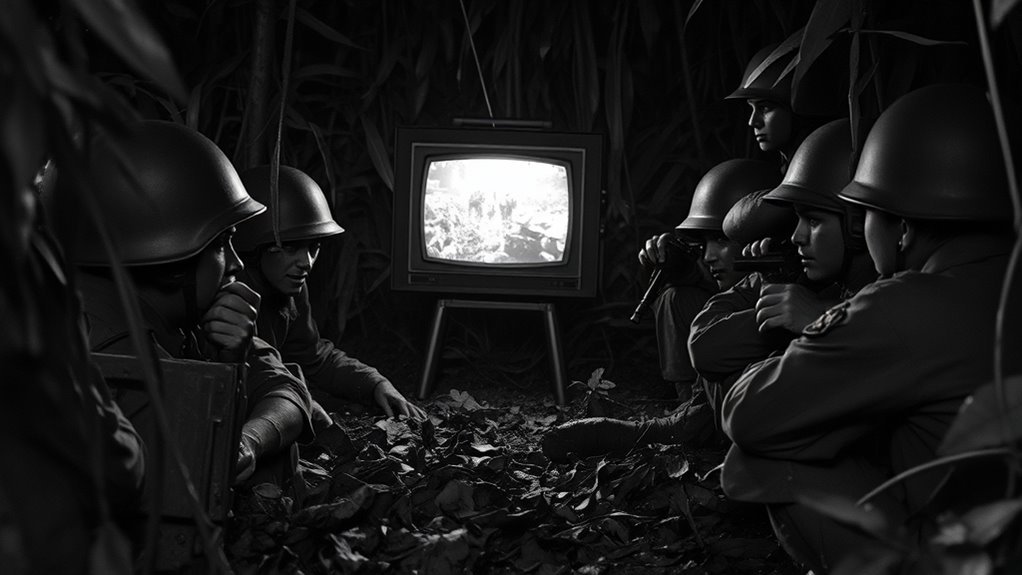
In the early 1960s, TV news crews began traveling to Vietnam with portable cameras, allowing them to capture events as they unfolded. Networks like CBS, NBC, and ABC sent correspondents who reported directly from the battlefield, bringing the war into living rooms across America.
By broadcasting nightly news segments, they transformed distant conflict into a shared experience. You didn’t have to read about the war in newspapers; you could see it on your TV screen.
This immediate access changed how you and millions of others perceived the war, making it a constant presence in your daily life.
The Graphic Vietnam War Images TV Brought to Viewers
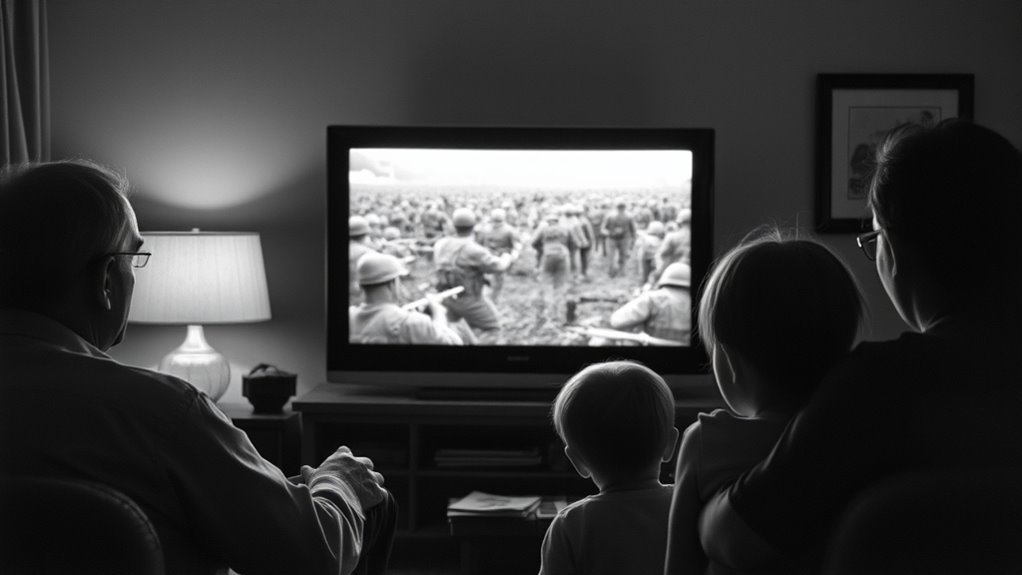
As television brought the Vietnam War into your living room, it also showed you images far more graphic than anything previously seen during wartime. You witnessed raw and unsettling scenes that challenged the sanitized war coverage of the past.
Here’s what made these images so impactful:
Here’s what made these images so impactful: raw, unfiltered glimpses into the true horrors of war.
- Close-up combat footage captured firefights and soldier injuries in real time, stripping away any romanticism of battle.
- Casualty visuals, including wounded and dead soldiers, confronted you with the brutal human cost.
- Civilian suffering appeared frequently, showing you bombed villages and displaced families. It really emphasized the war’s toll beyond the battlefield.
These graphic images forced you to confront the harsh realities of conflict. It marked a stark shift in how war was presented and experienced through television.
How TV Coverage Changed Public Opinion
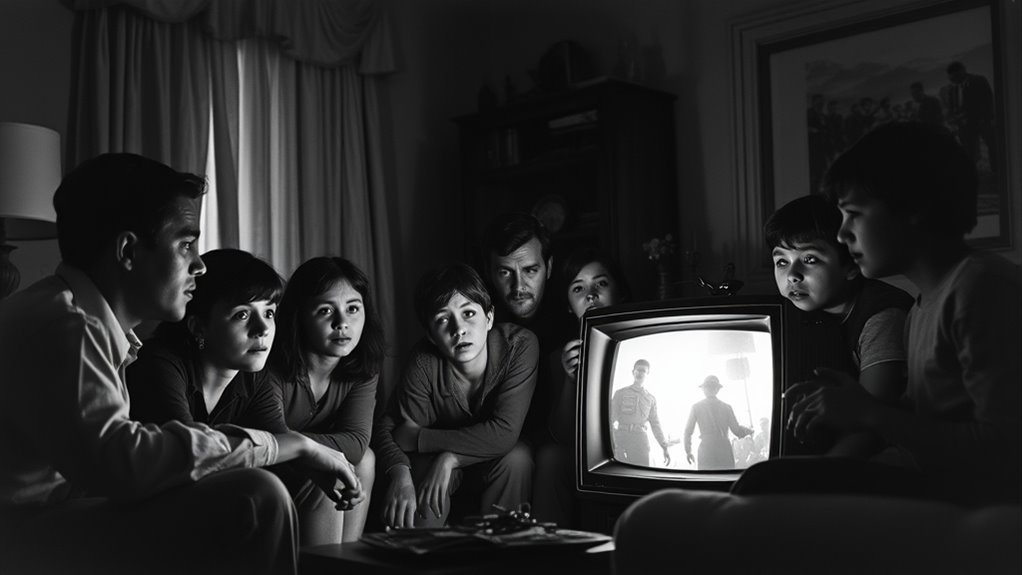
Why did the vivid, unfiltered images of the Vietnam War broadcast into your home shift the nation’s mindset so dramatically? You saw the harsh realities firsthand—casualties, destruction, and the toll on soldiers and civilians alike.
This exposure made it harder to support a war that felt distant before. The contrast between official reports and what you witnessed on TV created skepticism and doubt about the government’s narrative.
| Impact on Public Opinion | Description |
|---|---|
| Increased Awareness | You gained insight into war’s true cost |
| Growing Skepticism | You questioned official statements |
| Emotional Connection | You empathized with those affected |
This change in perception was pivotal. It altered how you and many others viewed the conflict.
How TV Coverage Fueled the Anti-War Movement
Television broadcasts brought the brutal reality of the Vietnam War directly into your living room, sparking widespread outrage and mobilizing citizens who might have otherwise stayed silent.
You saw the raw footage of combat, wounded soldiers, and civilian casualties, making the war’s cost impossible to ignore. This fueled the anti-war movement in several key ways:
- Visual Impact: Graphic images made the war’s horrors undeniable, shaking public trust in official statements.
- Emotional Connection: Personal stories and faces on screen created empathy and a sense of urgency.
- Information Access: TV provided timely updates, allowing you to follow events closely and join protests informed.
How Political Leaders Reacted to TV Coverage
The widespread broadcast of Vietnam’s harsh realities didn’t just influence public opinion—it caught the attention of political leaders who had to respond quickly. You’d see them grappling with the new power of televised images, realizing that controlling the narrative was harder than ever.
They tried to manage what you saw on your screens by limiting press access and issuing carefully crafted statements. Some leaders grew frustrated or defensive, worried that the stark visuals would erode support for the war.
Others understood the need to adapt their communication strategies, using television to rally public backing or explain policy decisions. You’d notice that political figures couldn’t ignore TV coverage—it shaped how they justified actions and addressed growing dissent.
It forced them to engage with a more informed and critical public.
The Lasting Impact of TV Coverage on Vietnam War Policy
Although many factors shaped Vietnam War policy, TV coverage left a lasting mark you can’t ignore. You saw how nightly broadcasts brought brutal realities into your living room, shifting public opinion and forcing policymakers to adapt.
Here are three key impacts:
- Increased Transparency: TV forced governments to be more accountable, exposing war strategies and casualties in real time.
- Public Pressure: Graphic images fueled anti-war protests, making it harder for leaders to justify prolonged conflict.
- Policy Shifts: Leaders reconsidered military tactics and withdrawal timelines, responding directly to the war’s televised perception.
Frequently Asked Questions
What Type of Cameras Were Used for Vietnam War Broadcasts?
You’d mainly see TV crews using portable 16mm film cameras and early videotape cameras like the RCA TK-41. These allowed reporters to capture and broadcast the war’s raw realities directly to viewers back home.
These cameras were pretty revolutionary at the time. They made it possible for people to actually see the war as it happened, which was a big deal for news coverage.
How Did Journalists Get Access to Combat Zones?
You know what they say, “fortune favors the bold.” You’ll get access by embedding with troops, earning their trust, and maneuvering military protocols.
Journalists often relied on escorts and permissions to enter dangerous combat zones safely. It’s all about building relationships and following the right channels.
Were There Any Censorship Rules for TV War Coverage?
Yes, you had censorship rules during Vietnam War TV coverage. The military controlled what footage you saw to protect morale and strategy.
But journalists often pushed boundaries, revealing harsh realities and influencing public opinion. It was a tense back-and-forth between control and truth.
How Did TV Coverage Affect Soldiers’ Morale During the War?
You’d feel discouraged watching TV coverage showing brutal battles and casualties. The constant negative images lowered soldiers’ morale.
It made you question the war’s purpose and support from home. That only intensified stress and isolation during combat.
Did Other Countries Have Similar TV Coverage of the Vietnam War?
You’d find it interesting that about 70% of American households watched Vietnam War coverage.
Other countries like the UK and Australia had less extensive broadcasts. They often focused on political debates rather than frontline footage.
Conclusion
You probably didn’t realize that by 1968, nearly 90% of American households had a TV. This made the Vietnam War one of the first conflicts seen live in millions of living rooms.
This direct exposure changed how you and others viewed the war, stirring emotions and skepticism. TV coverage didn’t just report the war; it shifted public opinion and fueled protests.
It also forced leaders to rethink strategies—showing just how powerful a screen can be in shaping history. Television coverage played a huge role in influencing public sentiment and the course of the Vietnam War overall.