3 Key Factors That Determine How Much a TV Commercial Does Cost
You’ll find that three main factors drive the cost of a TV commercial: production quality, ad length and airing time, and market size. These key elements really shape how much you’ll spend when creating and broadcasting your ad.
Knowing what affects the price can help you make smarter decisions and get the most bang for your buck.
If you want a polished look with better visuals, actors, and effects, be ready to invest more. Longer ads and prime time slots also push prices up.
Plus, targeting bigger markets means higher costs but wider reach.
Understanding these can help you plan smarter. Keep exploring and you’ll discover how each factor shapes your budget.
Key Takeaways
- Production quality, including visuals, actors, and effects, significantly affects the overall cost of a TV commercial.
- The length of the commercial and the chosen time slot directly influence pricing. Longer ads and prime time slots usually cost more.
- Market size impacts costs, too. Larger markets and national coverage require bigger budgets because of higher demand and viewer reach.
- Creative complexity and shoot sophistication also boost expenses. It all depends on the desired production scope and quality.
- Balancing cost with campaign effectiveness means making smart choices. You want to consider production, timing, and audience targeting to get the best ROI.
How Production Quality Affects TV Commercial Costs
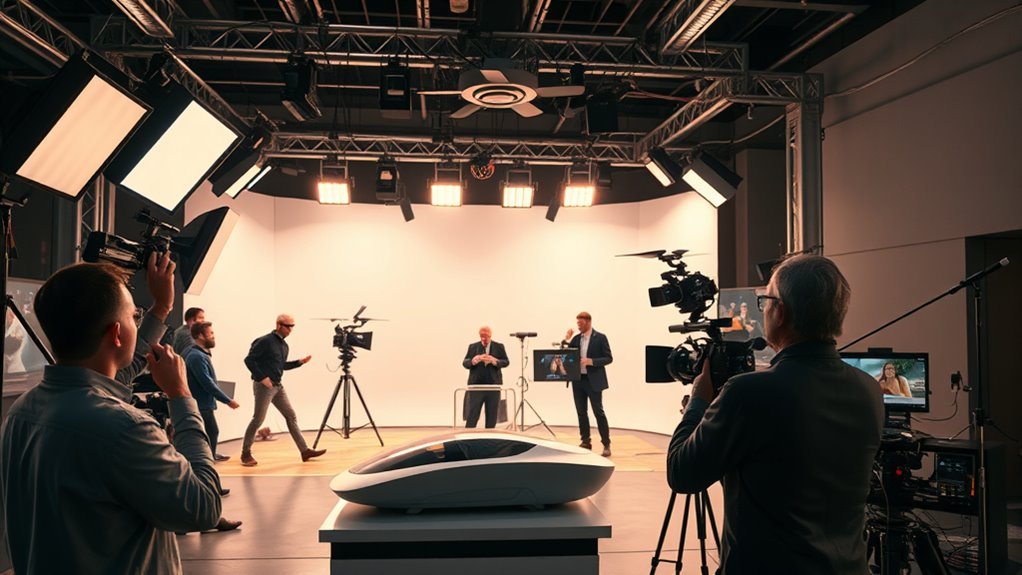
When you invest in higher production quality for your TV commercial, you’re likely to see a significant increase in costs. High-quality visuals, professional actors, advanced camera equipment, and expert editing all drive expenses up.
You’ll also spend more on sets, lighting, and special effects to create a polished final product that grabs viewers’ attention. While low-budget commercials might be quicker and cheaper to produce, they often lack the impact and professionalism needed to stand out.
By choosing superior production values, you’re investing in a commercial that can better communicate your brand’s message and engage your audience. Just keep in mind, these costs can vary widely depending on your creative vision and the complexity of your shoot.
How Ad Length and Time Slot Impact Pricing
Although many factors influence TV commercial costs, the length of your ad and its time slot play essential roles in determining the final price. The longer your commercial runs, the more it costs since airtime is sold by the second or 15-second increments.
A 30-second spot will typically cost twice as much as a 15-second one. Additionally, when you choose to air your ad matters a lot. Prime time slots, usually evenings when viewership peaks, demand higher prices because more eyes are watching.
Conversely, late-night or early-morning slots are cheaper but reach fewer viewers. You’ll need to balance your budget with your target audience’s viewing habits to get the best value. Understanding these factors helps you plan your commercial strategy without overspending.
Why Market Size Matters for TV Commercial Budgets

How much you pay for a TV commercial often depends on the size of the market you’re targeting. Larger markets mean more viewers, which boosts the potential reach of your ad but also drives up costs.
Here’s why market size matters: Bigger markets have higher demand, so ad slots cost more. More viewers mean greater exposure, increasing your campaign’s impact.
National markets require more budget than local markets due to wider coverage. Smaller markets offer cost-effective options but limit your audience.
Understanding your target market size helps you allocate your budget efficiently. If you want maximum reach, prepare to invest more. But if your goal is a focused campaign, smaller markets can deliver results without breaking the bank.
Frequently Asked Questions
How Do Actor Fees Influence TV Commercial Costs?
Actor fees directly impact your TV commercial costs because higher-profile actors demand bigger payments. When you hire well-known talent, you’ll pay more, increasing your overall budget.
Choosing lesser-known actors can help you save money. It’s a simple way to keep your costs down without compromising your message.
What Role Does Script Complexity Play in Pricing?
You’ll find script complexity gently nudges the price upward since intricate dialogues and scenes demand more time and creativity.
Don’t underestimate how carefully crafted scripts can elevate your commercial’s impact—and its cost.
Are There Additional Costs for Special Effects?
Yes, you’ll face extra costs for special effects since they require skilled artists, software, and more production time.
The more complex or high-quality the effects, the higher the price, so plan your budget accordingly.
How Does Music Licensing Affect the Budget?
Music licensing can substantially increase your budget, especially if you want popular songs. You’ll need to pay for usage rights, which vary by song, duration, and territory.
It can get a bit tricky, but knowing this upfront helps you plan better. Consider royalty-free options to save money. They might not be chart-toppers, but they can still fit your project nicely.
Do Post-Production Editing Fees Impact Overall Cost?
Yes, post-production editing fees definitely impact your overall cost. You’ll need to budget for color correction, sound mixing, visual effects, and final edits.
These steps require skilled professionals, so don’t underestimate their expense. It’s something you want to plan for carefully.
Conclusion
Just like a master chef balances ingredients to create the perfect dish, you’ve seen how production quality, ad length, and market size blend to shape your TV commercial costs.
By understanding these key factors, you’re not just spending money—you’re investing wisely in a campaign that resonates.
Keep these in mind, and your commercial won’t just air; it’ll make a lasting impact, standing out like a classic story told at the right moment.
When you focus on production quality, ad length, and market size, you control how much your TV commercial does cost while maximizing its effectiveness.
This smart approach ensures your budget works hard for you, creating ads that connect with your audience and deliver real results.