How Much Does It Cost to Ship a TV?
Shipping a TV typically costs between $20 and $100, depending on its size, weight, distance, and extras like insurance or expedited delivery. The price can vary quite a bit, especially if you’re dealing with a large or heavy TV.
Faster shipping options usually mean you’ll pay more, while ground shipping tends to be more affordable.
Packing your TV yourself and using sturdy boxes can save you some cash too. Proper protection is key to avoid any damage during transit, and luckily, it doesn’t add much to the overall cost.
If you want to get the best rates and learn how to pack and ship your TV safely, there’s plenty more to take into account. Don’t worry, we’ll break it down so you can ship your TV without any hassle or surprise fees.
Key Takeaways
- Shipping a TV typically costs between $20 and $100, depending on size, weight, and distance.
- Ground shipping is the most affordable method, while expedited or overnight options can double the cost.
- Larger and heavier TVs incur higher fees due to special handling and dimensional weight charges.
- Additional costs include insurance (1-3% of value), special packaging, and handling fees for fragile or oversized TVs.
- Cost-saving strategies include shipping during off-peak times, choosing slower methods, and using original or DIY packaging.
Typical TV Shipping Costs You Can Expect
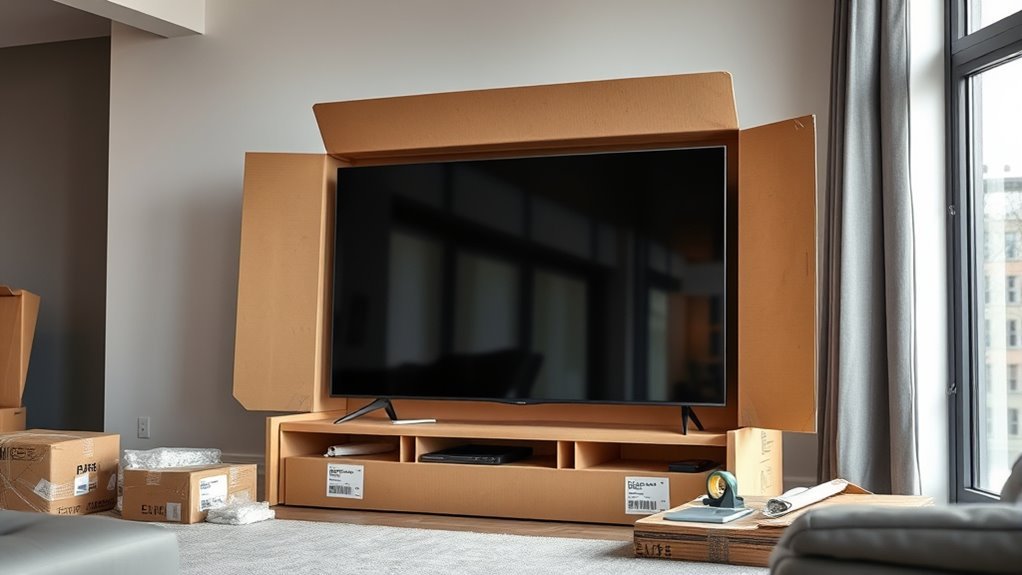
Although shipping costs vary based on size and distance, you can generally expect to pay between $20 and $100 to ship a TV.
Shipping a TV typically costs between $20 and $100, depending on size and distance.
When you’re planning to send your TV, consider standard ground shipping as the most affordable option. It’s perfect if you’re not in a hurry and want to keep costs reasonable.
Expedited or overnight shipping can push the price higher, sometimes doubling the cost. You’ll also notice that added services like insurance or special packaging increase the total.
If you’re shipping through carriers like UPS, FedEx, or USPS, each has different rates and policies, so it’s smart to compare before booking.
How TV Size and Weight Affect Shipping Costs
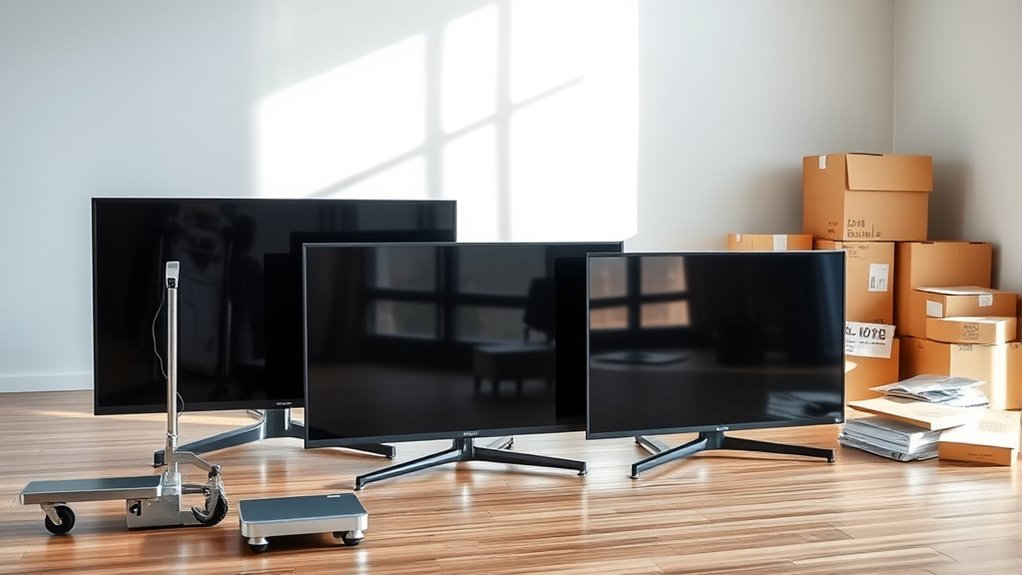
When you ship a TV, its size and weight play a big role in the cost. Larger and heavier TVs usually mean higher shipping rates because they take up more space and need extra care.
Knowing this stuff helps you get a good idea of what you’ll pay before you actually ship. It’s all about planning ahead and avoiding surprises.
Impact of TV Dimensions
Because your TV’s size and weight directly influence shipping fees, understanding their impact can help you manage costs better. Larger TVs take up more space, often requiring oversized packaging and special handling, which raises shipping expenses.
Even if your TV isn’t heavy, its bulky dimensions can push it into higher dimensional weight categories used by carriers, increasing costs. When you’re shipping a wide or deep TV, remember that the package’s length, width, and height all factor into the price.
Compact TVs might save you money since they fit into standard boxes and are easier to transport. So, before shipping, measure your TV carefully and compare those dimensions against carrier size limits to avoid unexpected charges and keep your shipping budget in check.
Weight and Shipping Rates
Even if your TV’s dimensions fit within standard limits, its weight can still drive up shipping costs. Carriers often charge based on weight brackets, so a heavier TV means higher fees.
Larger models typically weigh more, especially those with built-in soundbars or stands. When you ship, the TV’s actual weight and dimensional weight—calculated from its size—both influence the rate.
If dimensional weight exceeds actual weight, carriers bill you based on that higher figure. You can expect shipping costs to increase considerably for TVs over 50 pounds or unusually heavy models.
To save money, consider removing bulky stands or packaging materials, if possible, and opt for lightweight packaging. Understanding how weight affects rates helps you budget shipping expenses accurately.
Best Shipping Methods for TV Shipping
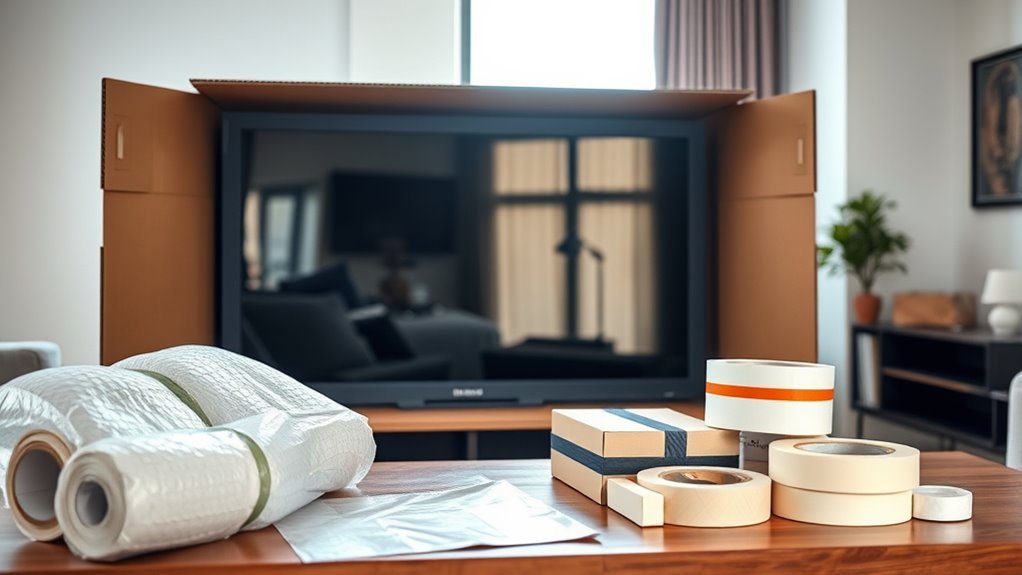
When shipping your TV, choosing the right method can save you time and money. You’ll want to take into account ground shipping for its cost-effectiveness, but air freight might be better if speed is essential.
Also, professional packing services can protect your TV during transit, so don’t overlook that option. It’s worth considering to keep your TV safe and sound.
Ground Shipping Advantages
Although you might consider faster options, ground shipping often offers the best balance of cost and reliability for transporting your TV. It’s usually more affordable than air or expedited services, especially for heavier or larger TVs.
Ground carriers handle shipments carefully, reducing the risk of damage during transit. You can also track your package easily, giving you peace of mind throughout the journey.
Plus, ground shipping tends to be more widely available, so you won’t have trouble finding a carrier that fits your schedule and budget. While it might take a bit longer, the savings and dependable service often outweigh the extra time.
If you want a practical, cost-effective way to ship your TV, ground shipping is a solid choice.
Air Freight Considerations
Ground shipping offers a cost-effective and reliable way to send your TV, but if speed is your priority, air freight might be the better option. Choosing air freight means your TV will arrive much faster, especially for long distances or international shipments.
That said, air freight costs more than ground shipping and may require stricter packaging standards to protect your TV from in-flight pressure changes and handling.
When considering air freight, keep these points in mind:
- Expect higher shipping fees compared to ground options.
- Confirm your TV is securely packaged to handle rough handling and pressure variations.
- Check airline restrictions on size, weight, and hazardous materials to avoid delays.
Professional Packing Services
Choosing professional packing services can make a significant difference in guaranteeing your TV arrives safely. These experts use specialized materials and techniques designed to protect delicate screens and components during transit.
When you hire pros, they handle everything from custom foam inserts to sturdy double-boxing, reducing risks of damage. While it adds to your shipping cost, the peace of mind and reduced likelihood of costly repairs or replacements often outweigh the expense.
Plus, professional packers understand carrier requirements and labeling, helping your shipment comply with regulations. If you want to avoid DIY packing mistakes and guarantee your TV’s safety, investing in professional packing services is a smart move—especially for valuable or large TVs that need extra care.
How Insurance and Extras Affect TV Shipping Costs
How much does insurance really add to your TV shipping cost? Generally, insurance adds a small percentage based on your TV’s declared value, giving you peace of mind against damage or loss.
Besides insurance, extras like expedited delivery or special handling can also impact the final price. When shipping your TV, consider these factors:
- Declared value insurance: Typically 1-3% of the TV’s value, protecting your investment.
- Expedited shipping: Speeds up delivery but increases cost considerably.
- Special handling fees: For fragile or oversized TVs, adding extra charges.
Affordable Packaging Options to Protect Your TV
While insurance and extras can protect your TV financially during shipment, safeguarding the physical device starts with proper packaging. You don’t need expensive materials to secure your TV.
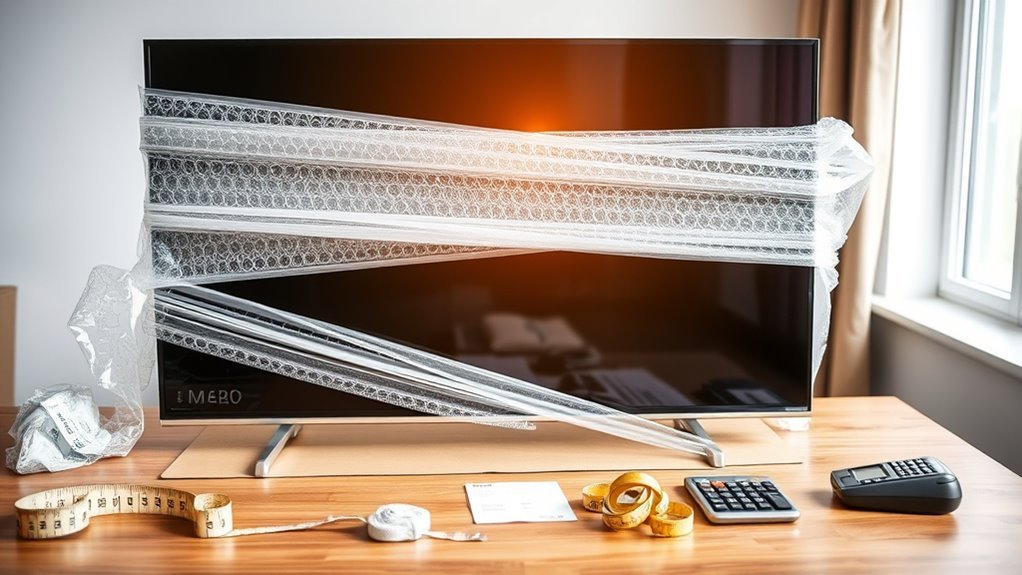
Start with a sturdy cardboard box slightly larger than your TV. Use bubble wrap or foam sheets to wrap the screen and corners—these absorb shocks and prevent scratches.
Fill any empty spaces with packing peanuts or crumpled paper to keep the TV from shifting inside the box. If you still have the original packaging, it’s often the best option since it’s designed for your model.
Seal the box with strong packing tape, reinforcing all edges and seams. Affordable materials like these provide solid protection without breaking the bank, ensuring your TV reaches its destination safely.
Money-Saving Tips for Shipping Your TV
Even if you’re on a tight budget, you can still ship your TV safely by planning ahead and comparing options. Start by researching multiple carriers to find the best rates and services.
Don’t forget to check if your TV qualifies for any discounted shipping programs or promotions. Next, consider packaging your TV yourself using affordable materials instead of buying expensive specialty boxes.
Finally, choose the right shipping speed—slower options often cost less and still deliver your TV securely.
Here are three money-saving tips to keep in mind:
- Use original packaging or sturdy, low-cost alternatives for protection
- Measure and weigh your TV accurately to avoid extra fees
- Ship during off-peak seasons when rates are generally lower
Frequently Asked Questions
Can I Ship a TV Internationally Without Extra Fees?
You usually can’t ship a TV internationally without extra fees, like customs duties or taxes.
To avoid surprises, check the destination country’s regulations and shipping carrier policies before sending your TV abroad.
It’s always better to be prepared than caught off guard!
How Long Does TV Shipping Usually Take?
You’ll get your TV faster than you binge-watch a series—usually in 3 to 7 days for standard shipping.
But hey, if you enjoy waiting, sometimes it takes longer.
Patience pays off, right?
Are There Restrictions on Shipping Certain TV Brands?
Yes, you might face restrictions shipping certain TV brands due to licensing, export controls, or company policies.
Always check the carrier’s rules and the brand’s shipping guidelines before sending to avoid surprises or delays.
It’s better to be safe than sorry, right? A quick check can save you a lot of hassle down the road.
Can I Track My TV Shipment in Real Time?
Yes, you can track your TV shipment in real time through the carrier’s website or app. Just use the tracking number they provide, and you’ll see updates on your TV’s location and estimated delivery time instantly.
It’s pretty convenient, right? You don’t have to wonder when your TV will arrive — everything’s right there at your fingertips.
What Should I Do if My TV Arrives Damaged?
If your TV arrives damaged, don’t panic—act fast! Take clear photos, keep all packaging, and contact the seller or shipping company immediately.
Filing a claim promptly increases your chances of a quick, successful resolution. So, the sooner you reach out, the better!
Conclusion
When you ship a TV, size and weight definitely impact the cost, but choosing the right method and packaging can save you money. You might think insurance and extras always hike prices, but they often protect you from bigger losses.
By packing carefully and comparing shipping options, you’ll find affordable ways to keep your TV safe. So, don’t assume shipping has to be expensive—smart planning proves it can be budget-friendly and worry-free.
In the end, how much it costs to ship a TV depends on a few key factors: the size, weight, shipping method, and packaging. Taking time to research and prepare your TV properly ensures you get the best deal. With the right approach, shipping your TV can be both cost-effective and secure, giving you peace of mind without breaking the bank.