What to Do With a Broken TV: 7 Repair and Disposal Tips
If your TV’s broken, start by diagnosing the issue—check power, cables, and screen. It’s important to identify what’s wrong before you do anything else.
This way, you can figure out if it’s a simple fix or something more serious.
Decide if you can safely fix common problems yourself or if professional help is better. Sometimes, tackling a repair on your own saves money, but other times calling an expert is the safer choice.
Don’t forget to weigh repair costs against replacing for value and longevity.
If you don’t fix it, consider donating, selling, or recycling through certified centers to avoid environmental harm.
Always remove personal data first and steer clear of unsafe disposal like burning.
You’ll find practical tips to tackle each step next.
Key Takeaways
– Diagnose the issue by checking power, cables, screen, sound, and input sources to identify the exact problem.
Take your time with this step, as knowing what’s wrong helps you decide what to do next.
– Assess repair feasibility by considering your skills, available tools, and the complexity of the TV issue.
If it feels too tricky, it might be better to get some help or look for other options.
– Compare repair costs and benefits against replacement for long-term value and feature improvements.
Sometimes fixing an old TV isn’t worth it when newer models offer better features.
– Hire qualified professionals or explore donating, selling, or recycling broken TVs responsibly.
There are plenty of ways to give your TV a second life or dispose of it properly.
– Dispose of TVs safely by using certified recycling centers and removing personal data from smart TVs.
Don’t forget to wipe your personal info before handing over your smart TV!
Diagnosing Your Broken TV

Before deciding how to fix your broken TV, you need to pinpoint the problem clearly. Start by checking if the TV powers on. If it doesn’t, confirm the power source and cables are secure.
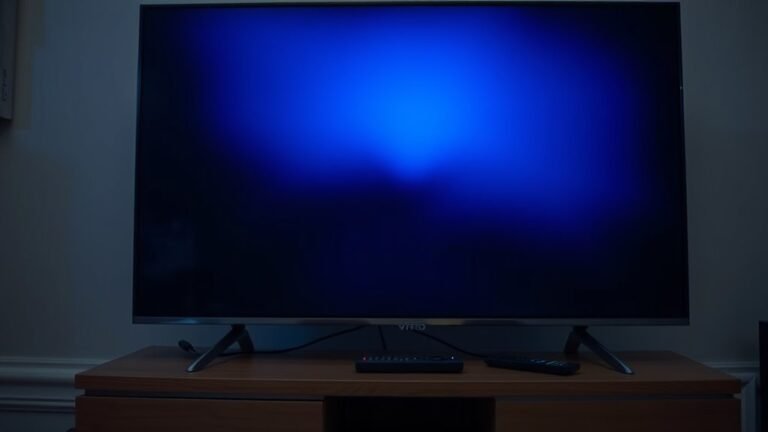
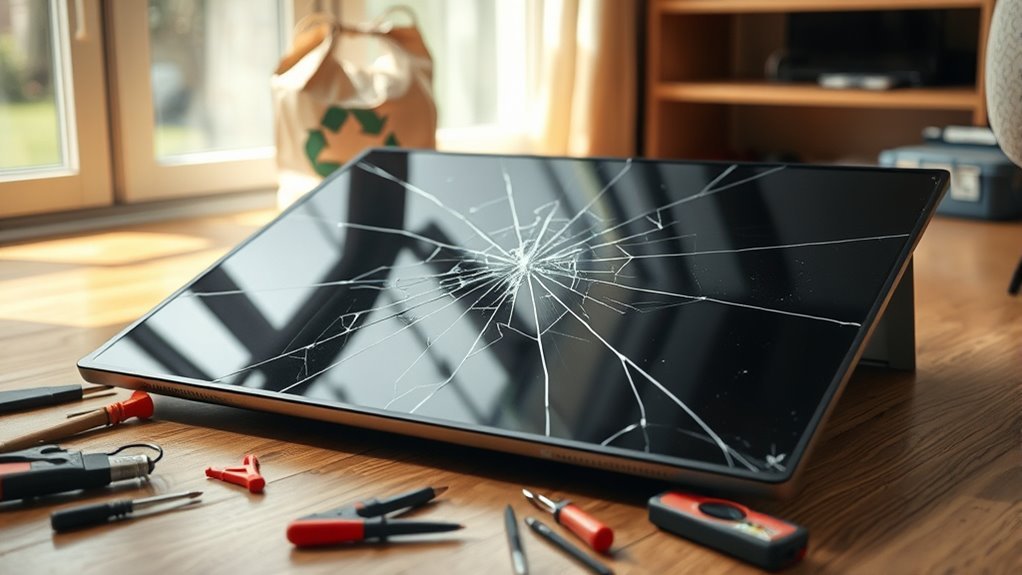
Next, look for any visible damage like cracked screens or loose ports. If the screen is black but the sound works, the issue might be with the display panel or backlight.
Try connecting different input sources to rule out external device problems. Listen for unusual sounds like clicking or buzzing, which could indicate internal hardware issues.
Also, check the TV’s settings or reset it to factory defaults to eliminate software glitches. By methodically identifying the problem, you’ll know whether a simple fix is possible or if professional help is needed.
Repair vs. Replace: Evaluating Cost and Value

You’ll want to compare the repair costs against the price of a new TV to see which option makes sense. Consider the long-term value, including how much life you can expect from a fixed set.
This will help you decide whether fixing or replacing offers the best return. It’s all about getting the most bang for your buck in the long run.
Repair Costs Compared
When deciding whether to repair or replace your broken TV, understanding the costs involved is essential. Repair expenses vary widely, depending on the issue and your TV’s model.
Common repairs, like fixing the power supply or replacing a cracked screen, can range from $50 to over $300. For older or less expensive TVs, repair costs might approach or even exceed the price of a new set.
Labor charges add to the total, especially if you hire a professional technician. On the other hand, newer models with advanced features often have pricier parts, pushing repair costs higher.
Long-Term Value
Although repairing your TV might seem like the cheaper option upfront, you should consider its long-term value before making a decision. Repairs can extend your TV’s life, but frequent issues may add up in cost and frustration.
On the other hand, replacing your TV with a newer model could offer better features and energy efficiency. That could end up saving you money over time.
| Factor | Repair |
|---|---|
| Initial Cost | Lower |
| Lifespan Extension | Limited |
| Features & Quality | Same as old TV |
| Energy Efficiency | Possibly outdated |
| Factor | Replace |
| Initial Cost | Higher |
| Lifespan Extension | Longer |
| Features & Quality | Improved |
| Energy Efficiency | Higher |
How to Tell If You Can Fix Your TV Yourself
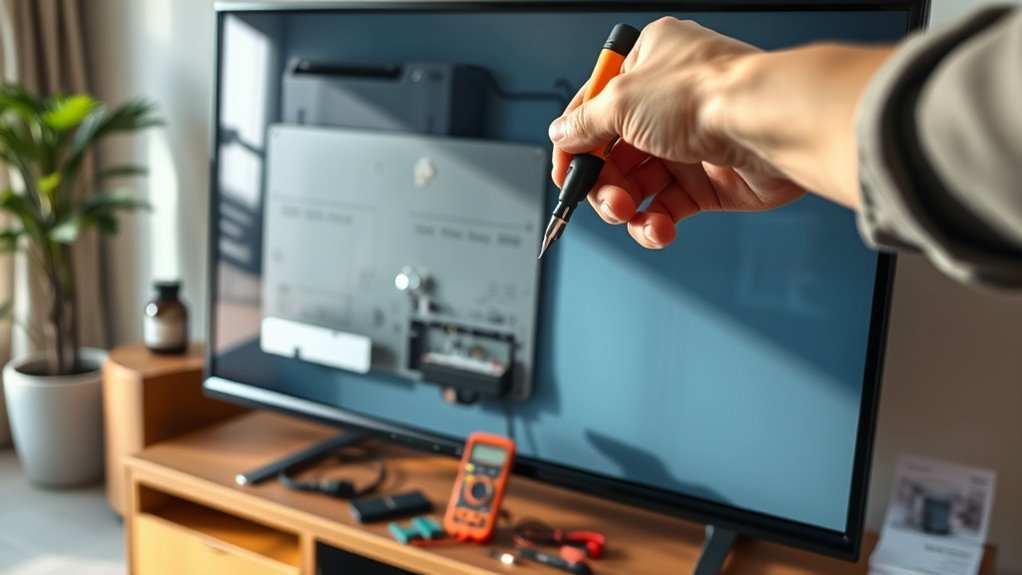
First, identify the common issues your TV might have, like a blank screen or no sound. Then, honestly assess your technical skills and comfort level with electronics.
This will help you decide if fixing it yourself is a realistic option. It’s always good to be real about what you can handle before diving in.
Diagnose Common TV Issues
Because TVs can encounter a variety of issues, diagnosing the problem yourself can save you time and money. Start by checking if the TV powers on. If it doesn’t, verify the power cord is secure and the outlet works.
For a blank screen with sound, try adjusting the brightness or switching inputs. Flickering or distorted images often point to loose or damaged cables.
If the remote isn’t responding, test its batteries or try manual buttons. Strange noises could mean internal hardware faults, which are trickier.
Also, look out for error codes or blinking lights; these often indicate specific problems you can look up online. By pinpointing the issue clearly, you’ll know whether it’s a simple fix or if professional help is needed.
Assess Your Technical Skills
Once you’ve identified the likely cause of your TV’s problem, the next step is to honestly evaluate whether you have the skills and tools to fix it yourself. Ask yourself if you’re comfortable opening electronic devices and handling delicate components without causing further damage.
Basic knowledge of electronics, like understanding circuit boards or replacing parts such as power supplies and screens, is essential. Also, think about whether you have the necessary tools—screwdrivers, multimeters, or soldering equipment.
If you don’t feel confident or don’t have the right tools, trying to fix it might cause bigger problems or even safety risks. Remember, some repairs really need professional expertise.
Picking the Best Pro to Repair Your TV
Although you might be tempted to fix your TV yourself, choosing the right professional guarantees the job gets done quickly and correctly.
While DIY repairs are tempting, hiring a skilled professional ensures fast, reliable results every time.
To find the best pro, you should:
- Verify credentials and certifications to ensure they’re qualified.
- Check reviews and ask for recommendations to gauge reliability.
- Request a clear estimate to avoid surprise costs.
- Confirm they offer a warranty on repairs for peace of mind.
Donating or Selling Your Broken TV
If repairing your TV doesn’t seem like the right option, you can consider donating or selling it instead. Many organizations accept broken electronics for parts or refurbishment, so check local charities, schools, or community centers.
Donating helps others and keeps your TV out of the landfill. When selling, be honest about the condition and highlight any parts that still work.
Online marketplaces and local repair shops might buy broken TVs for parts. Make sure to wipe any personal data from your device before handing it over.
Whether you donate or sell, you give your TV a second chance and reduce waste. Just remember to package it carefully to avoid further damage during transport.
Recycling Your Broken TV
Recycling your broken TV is one of the best ways to guarantee its components are disposed of responsibly and valuable materials are recovered. When you decide to recycle, follow these steps to make the process smooth and effective:
Recycling your broken TV ensures responsible disposal and recovers valuable materials efficiently.
- Locate nearby electronics recycling centers or special collection events. It’s easier than you might think to find a spot close to you.
- Remove any personal data by wiping smart TV storage or removing memory cards. You don’t want your info falling into the wrong hands.
- Check if the recycler accepts all TV types, including CRTs, LCDs, or OLEDs. Some places only take certain models, so double-check first.
- Drop off your broken TV according to the recycler’s guidelines to make sure it is handled properly. That way, everything gets recycled the right way.
Safe Ways to Dispose of Broken TVs
When you need to get rid of a broken TV, choosing safe disposal methods protects both your health and the environment. Avoid tossing it in the trash, as TVs contain hazardous materials like lead and mercury.
Instead, look for local e-waste recycling centers or special collection events that handle electronic waste properly. Many manufacturers and retailers offer take-back programs, so check if you can drop off your TV there.
If you can’t find these options, contact your city’s waste management services to learn about safe disposal guidelines. Never try to dismantle or burn the TV yourself, since that can release toxic substances.
Frequently Asked Questions
Can a Broken TV Cause Electrical Hazards at Home?
Yes, a broken TV can cause electrical hazards at home. You shouldn’t ignore exposed wires or damaged components because they might lead to shocks or fires.
Always unplug it and get it repaired or disposed of safely. It’s better to be safe than sorry when it comes to electrical stuff!
What Environmental Impacts Result From Improper TV Disposal?
Improper TV disposal releases toxic chemicals like lead and mercury into soil and water, harming wildlife and your health.
You should recycle or dispose of it responsibly to prevent pollution and protect the environment.
It might seem like a hassle, but taking that extra step really makes a difference.
Plus, many places offer easy recycling programs, so you’re not alone in doing the right thing.
Are There Any Legal Restrictions on Disposing of Old TVS?
Yes, you’ve got to follow local laws when disposing of old TVs. Many places ban tossing them in regular trash due to hazardous materials.
It’s a good idea to check out recycling programs or e-waste collection events. That way, you stay compliant and eco-friendly.
How Do I Safely Remove Data From a Smart TV Before Disposal?
Oh, because your smart TV just loves sharing your secrets, you’ll want to reset it to factory settings.
Go to Settings, find “Reset,” and wipe all personal data before disposal—easy and necessary to protect yourself.
What Are Common Scams to Avoid When Selling a Broken TV?
Watch out for buyers offering suspiciously high prices or requesting payment upfront without inspection. Don’t share personal info or accept checks from unknown sources.
Always meet in safe, public places and verify payments before handing over your broken TV. Better safe than sorry, right? Just take your time and trust your gut.
Conclusion
Don’t let that broken TV turn into a ticking time bomb of clutter! With these tips, you can either fix it yourself, find a pro, or dispose of it safely without your home looking like a tech graveyard.
Whether you sell, donate, or recycle, you’re taking control and saving the planet—one cracked screen at a time. It’s easier than you think to handle that old TV responsibly.
So go ahead, tackle that broken TV like a superhero, and reclaim your space today! Repairing or properly disposing of your broken TV not only clears up clutter but also helps protect the environment. Remember, selling, donating, or recycling your TV keeps hazardous materials out of landfills and supports sustainability. Take charge now and give your broken TV a new purpose or a safe farewell!